
Recently, I realized just how soon we are upon the 2026 gardening season. In fact, if your a seed gardener, you may have even already started your seeds depending on where you live. I personally live in Zone 9a or 9b, in Northern California. So what people are starting over here may be different than what you are starting in your area.

I haven’t 100% decided what I am growing yet, with the exception of my yearly tomatoes. Either way though I have been mentally prepping and looking into just ways of improving my skills this year. Considering last gardening season I was pregnant, I wasn’t exactly in the best shape mentally or physically to do what I aspire my garden to be. I feel like personally it was at a barley maintained level. To the point where it almost feels like I’m starting over again because I have so many weeds and overgrown areas now from months of just neglect.
Weather we move fairly soon or not, I’m going to start my garden as if we aren’t, just because of how new we are into the home buying process. 99% of my plants are in pots anyway on the off chance we do find a place before the garden season is over, it has the possibility of being transported.
So far I have learned a few things that I will be taking with me on my gardening journey this year. Some of which, make total sense once you read more about it.
Tip 1: The Root System of a Healthy Plant Mirrors the Top
Healthy roots absorb water and nutrients efficiently, which translates into lush foliage, strong stems, and steady growth. When roots are restricted or unhealthy, the plant mirrors that stress with stunted or pale growth. Taproot plants (like carrots or many trees) send a strong central root deep into the soil, mirroring the upright, sturdy growth you see above ground. Fibrous root systems (like grasses) spread wide and shallow, mirroring plants that grow quickly and cover ground.
Tip 2: Don’t use Metal Pots in hot climates
This one is a no brainier, epically if you already live in those hot climates. But if you live in an area of the world where it gets particularly hot, just remember, the metal pots get hot when its out in the hot sun, thus scorching your roots and ultimately killing the plant. The same goes for any dark colored pots as well.

Tip 3: Turn Anything into a Pot
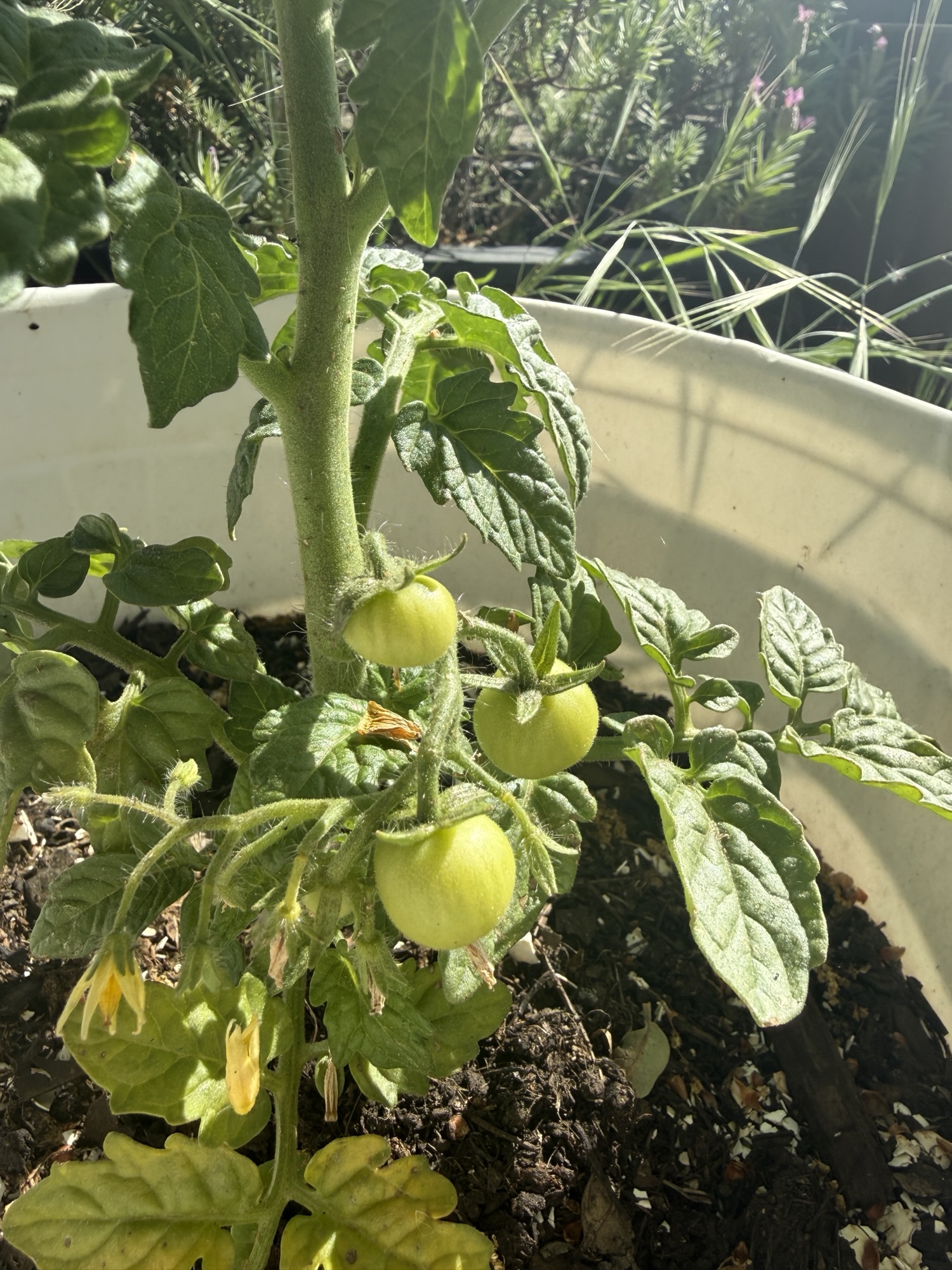
This year, I’m going practical. No fancy pots or anything. Just strictly what I already have. In fact, I have my lemon cucumbers planted in an old lard bucket that I recently emptied. Its plenty big enough for them and its a nice light color that shouldn’t get the roots hot/scorched. My tomatoes? Planted in an old bucket we used for our turkey a few years ago, also a light color to prevent scorching.

Tip 4: Water in the Morning
This is a tip I actually learned from a friend of mine, and honestly, it makes since! Water in the morning! When you water when its already hot, you run the risk of giving your plants a sunburn, or the water just evaporating too fast! Watering in the evenings can also be harmful as you get your plants watered, and then it gets cold when the sun goes down, which is also not the best idea, meaning the prime time for watering your garden, is in the morning before it gets too hot.
Tip 5: Water Garden from boiled egg water
Take the water from your boiled eggs, and water your garden. This will give your plants a great calcium boost and if your in the Redding Area, there are times when our water is restricted, so its always a good idea to never waste the water if you can help it.

Tip 6: Routine fertilizing/feeding
I’m horrible at routinely feeding my plants. Weather it be my own homemade miracle grow, or store bought, I’m just horrible at remembering to do it every few weeks/months. That’s something I aspire to get better at every year. This is more of a, I know its important already but hopefully including it in this post will cause me to be better about implementing this.